info@nglab.ir
۰۲۱-۵۷۴۱۶۱۵۵


Compliance with international standards and providing valid results
Using the most up-to-date analysis and testing devices
Comprised of experienced and specialized experts in chemistry
Providing reports in the shortest possible time

Sample Preparation
Specialized sample preparation for precise laboratory analyses
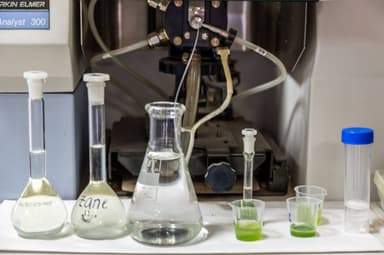
Dissolution
Complete sample dissolution using standard and advanced methods
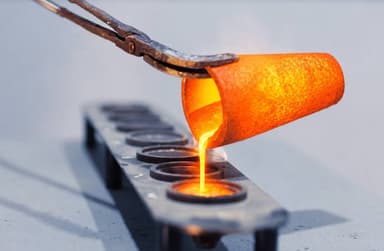
Fire Assay
Precise analysis of gold and precious metals using Fire Assay method
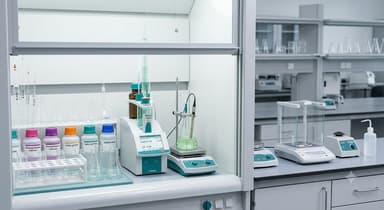
Wet Chemistry
Performing wet chemical analyses including titration, gravimetric, and colorimetric methods
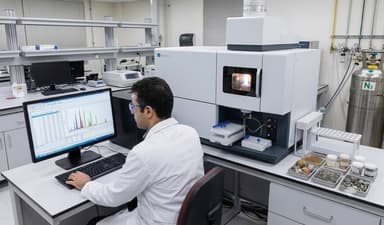
Instrumental Analysis
Advanced analyses using modern laboratory equipment
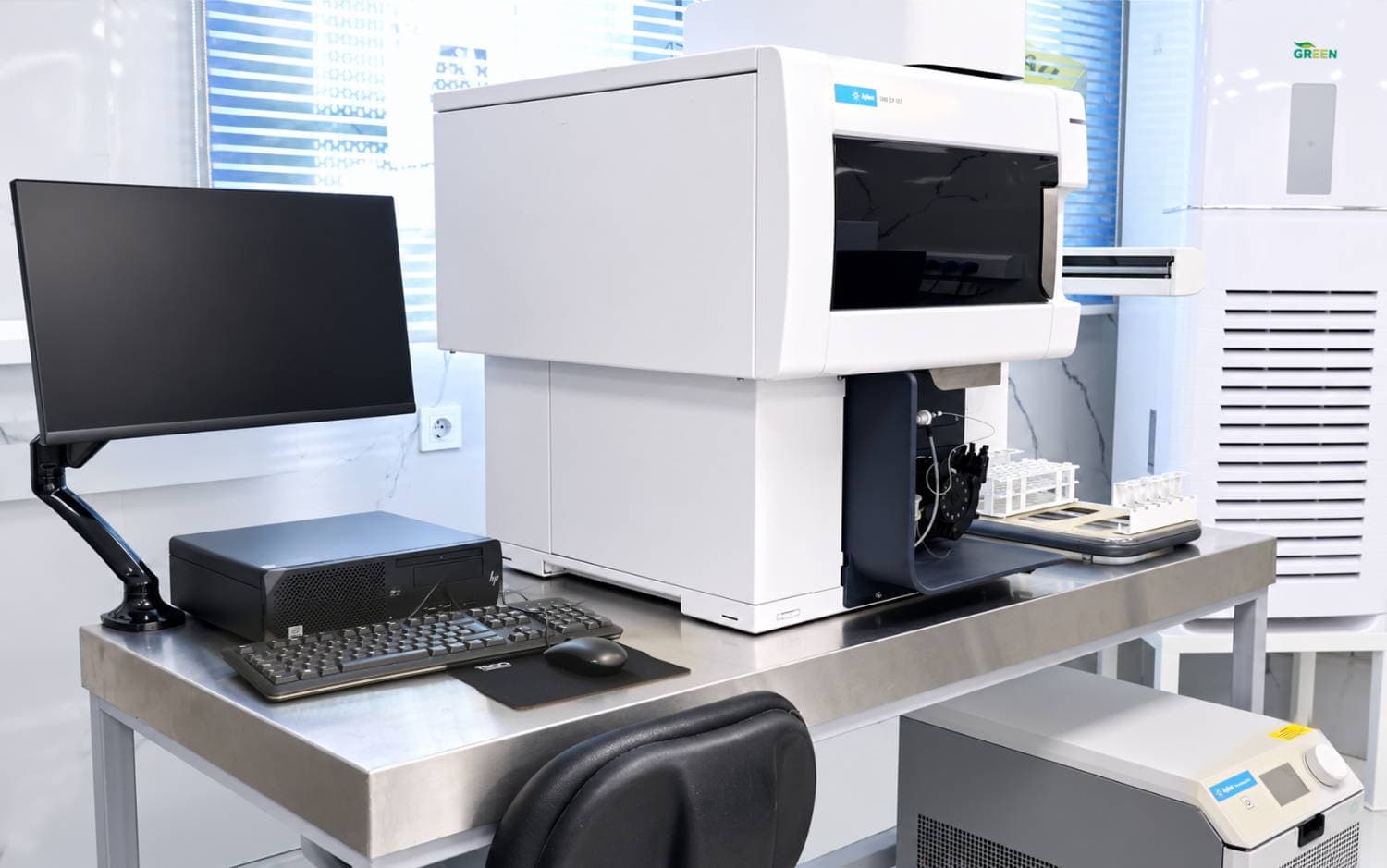
Atomic Emission Spectroscopy (AES) is a method of chemical analysis that uses the intensity of light emitted from a flame, plasma, arc, or spark at a particular wavelength to determine the quantity of an element in a sample. The wavelength of the atomic spectral line in the emission spectrum indicates the element's identity, while the intensity of emitted light is proportional to the number of atoms of the element.
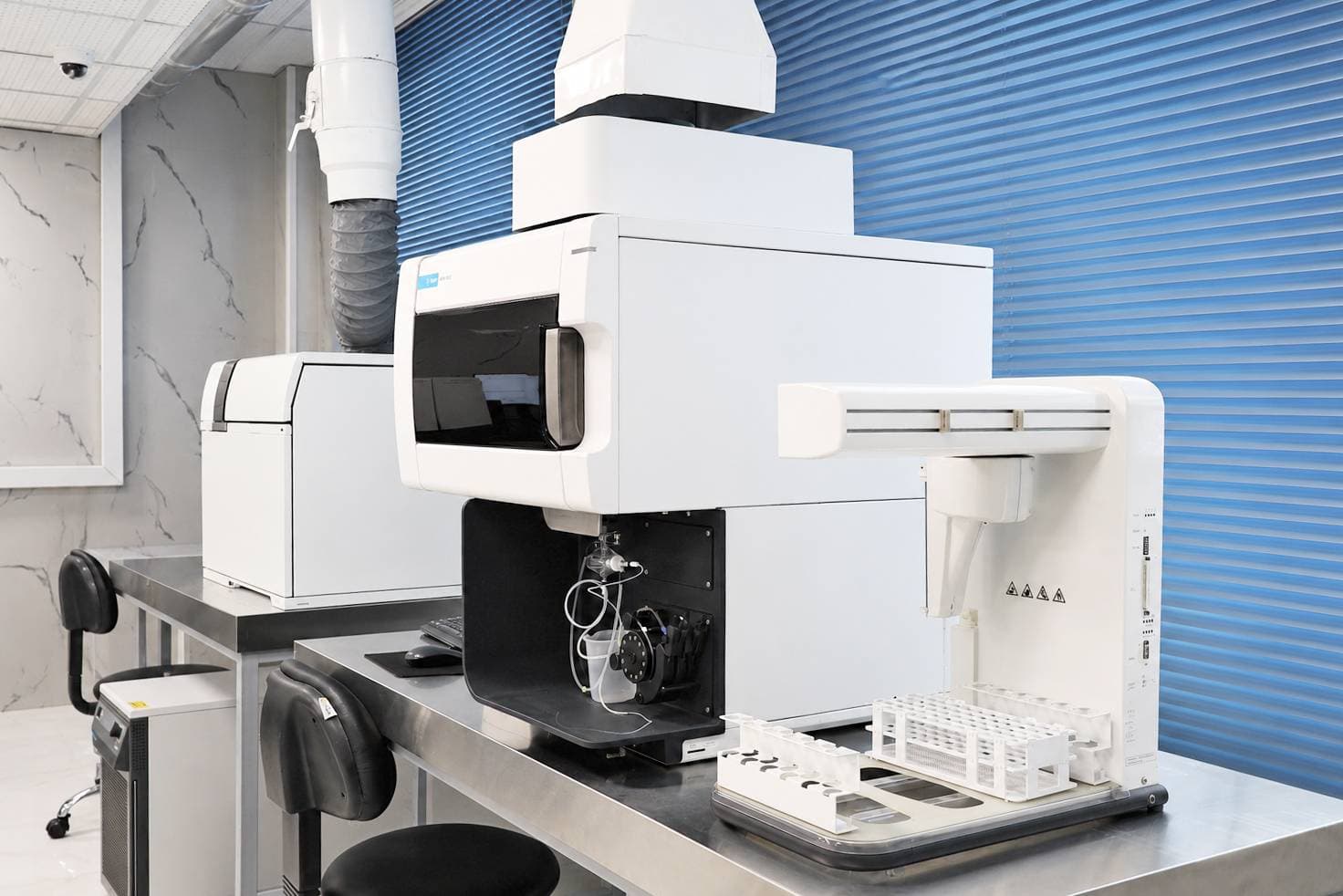
Mass spectrometry (MS) is an analytical technique used to measure the mass-to-charge ratio of ions. The results are displayed as a 'mass spectrum', which is a plot of intensity as a function of the mass-to-charge ratio.
Atomic Absorption Spectrophotometry (AAS) is a spectrometric technique for the quantitative determination of chemical elements using the absorption of optical radiation by atoms in the gaseous state. In analytical chemistry, this technique is used to determine the concentration of a particular element in a sample. This method can be used for the quantitative determination of more than 70 different types of elements.
ShimiNika Laboratory proudly announces that all its analysis contracts are concluded based on valid ISO standards with the aim of final verification of sample authenticity. In this laboratory, the high-precision Atomic Absorption Spectroscopy (AAS) method has been implemented to determine the concentration of metal elements in the ppm and ppb ranges.
Additionally, Inductively Coupled Plasma Mass Spectrometry (ICP-MS) enables the identification of isotopes and trace elements with exceptional sensitivity. On the other hand, Inductively Coupled Plasma Optical Emission Spectroscopy (ICP-OES) is performed for simultaneous analysis of multiple elements in complex matrices, according to the ISO/IEC 17025 protocol.
For classical methods and initial verification, manual titration spectroscopy is performed based on ISO 8655 standard with calibrated burettes and reference reagents.
Therefore, when you contract with ShimiNika Laboratory, five independent layers of spectroscopy and titration practically guarantee the authenticity of the outputs – from sensitive atomic absorption to traditional validated fire assay, all within the ISO framework.
Answers to common questions about ShimiNika laboratory services
Have another question? Contact us